Wool Rug Cleaning: Strong Fiber, Two Weaknesses
Heat and high pH are the only two things wool truly can't take. Our process uses neither, which is most of what you need to know.
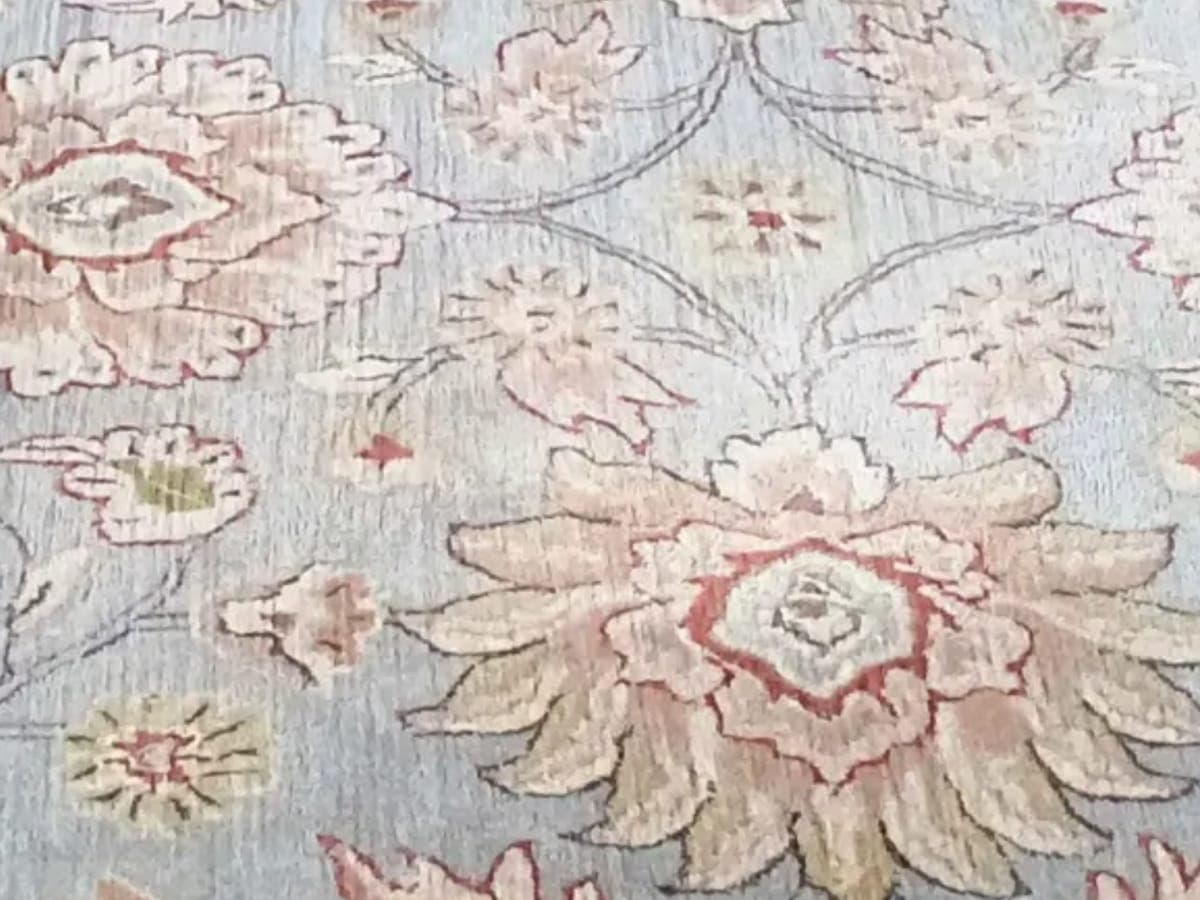
Wool is the best rug fiber there is and it's not close: it bounces back from crushing, resists flame, hides soil, and wears for generations. It also has exactly two enemies, and the tragedy of wool rug cleaning is that the average rental machine brings both of them to your living room on the same day.
The felting recipe, available at every rental counter
A rented extractor filled per the instructions delivers hot water and strongly alkaline detergent, which happens to be the exact two-ingredient recipe for damaging wool. Add the agitation of wand strokes and you've assembled all three conditions for felting in a single afternoon. The machine was built for synthetic carpet, and wool is not synthetic carpet.
The boosters make it worse. Oxygen-powder additives that work fine on nylon run at a high pH that wool chemistry can't tolerate, and the damage shows up as yellowing or browning across the field, permanent, and often blamed on the rug instead of the bucket.
Even without heat or chemistry, over-shampooing hurts wool in a slower way. Soap residue lodges under the fiber's scales, where it can't rinse free, and every speck of dust that lands afterward sticks. A wool rug that got dingy again within a month of a shampooing is wearing its own detergent.
Wool hides soil so well that a rug can be carrying pounds of sharp grit before it looks dirty. The cutting starts long before the dinginess shows.
Scales: why wool hides soil, and how it fails
Look at a wool fiber under magnification and you'll see it's covered in overlapping scales, like shingles on a roof. Those scales are the key to almost everything wool does, good and bad.
The good: scales scatter light and create tiny shadowed pockets, which is why wool hides soil better than any other fiber. A wool rug can be carrying pounds of dry grit before it looks dirty at all. That's a genuine feature for appearances and a genuine trap for maintenance, because the grit is sharp, and it's sawing at the fiber base with every footstep whether you can see it or not.
The bad: scales are also the felting mechanism. Heat and alkalinity make the scales lift; agitation makes lifted scales on neighboring fibers ratchet together; and once interlocked, they never let go. That's literally how felt is manufactured. Every wool sweater that has ever come out of a hot wash two sizes smaller and stiff as cardboard ran the same process by accident.
The reassuring part: wool is completely comfortable with water itself. Sheep stand in the rain. At a neutral pH and a cool temperature, with gentle handling, wool cleans beautifully.
Cool, neutral, and low-moisture on purpose
Our process avoids both enemies by design instead of by adjustment. The carbonated solution is applied cool and runs at a pH wool likes, and it's soap-free, so nothing gets left under the scales to resoil. The carbonation lifts the embedded grit out of the pile's shadow pockets, extraction removes it in the same pass, and the low moisture level means the rug is dry in about an hour, on your floor, never having left the house.
Before we start: fiber confirmation and a dye test, because plenty of 'wool' rugs turn out to be blends and plenty of wool rug dyes have their own opinions. And afterward, one caveat: cleaning restores wool's loft, color, and bounce, but wool that has already felted or yellowed from a past hot-and-alkaline encounter is chemically changed, and that doesn't reverse.
We walk through the full low-moisture process on our how rug and upholstery cleaning works page, and every job is backed by our 100% satisfaction guarantee.
Frequently asked questions
My wool rug sheds constantly. Is that damage?
Usually not. New wool rugs shed loose staple fiber for months, and moderate ongoing shedding is normal for the fiber. What's worth attention is shedding that suddenly increases, or pile that comes away in tufts with backing attached. That points to grit abrasion at the base or a structural issue, and a proper cleaning addresses the first one.
Can wool rugs get wet at all? I've heard water ruins them.
Water alone doesn't hurt wool. Hot water with alkaline detergent does, and so does staying wet for days. Our cleaning is water-based, cool, neutral, and light enough that the rug dries in about an hour, which keeps wool entirely inside its comfort zone.
Why does the rug smell like a wet dog while it's damp?
Because chemically it almost is one. Damp animal-hair fiber releases that odor, it's natural, and it disappears as the rug dries. With an hour of dry time, the window is short. A wool rug that smells that way constantly was left damp too long at some point and should be looked at.
How often does a wool rug actually need professional cleaning?
Every 12 to 18 months, or annually with pets and kids, and the driver is the hidden grit, not the visible dinge. Your technician quotes a firm price at the walkthrough based on size and condition, with $25 off.
Related rug & upholstery problems we solve
Area rug cleaning
Every construction and fiber, cleaned right where the rug lies and dry in about an hour.
RugTypeOriental rugs
Hand-knotted density and pH-sensitive dyes, handled with a test-first discipline on your own floor.
RugTypeShag & high-pile rugs
Deep pile cleaned at the base where the grit actually lives, then groomed so it dries lofted instead of matted.
Sit back down on clean
Enter your zip code to reach your local Safe-Dry® team. We clean rugs and upholstery in-home across 532 locations in 6 states, with same-day appointments in most areas.